Remote Patient Monitoring vs Virtual Care Family Caregivers Win
— 6 min read
Remote Patient Monitoring vs Virtual Care Family Caregivers Win
In 2026, Nsight Health won a MedTech Breakthrough Award for its remote patient monitoring platform. Remote patient monitoring (RPM) provides continuous, real-time health data to family caregivers, while virtual care offers scheduled video visits; RPM lets families act before emergencies develop.
Medical Disclaimer: This article is for informational purposes only and does not constitute medical advice. Always consult a qualified healthcare professional before making health decisions.
remote patient monitoring
When I first helped a senior neighbor set up a home health kit, the most striking feature was the way the device encrypted physiological data and sent it to a secure cloud in seconds. That encryption protects the patient’s privacy while ensuring clinicians receive a live feed of heart rate, blood pressure, and oxygen levels. In practice, families see a dashboard that updates every minute, and a subtle color change alerts them when a reading moves outside the safe zone.
Nsight Health’s platform takes this a step further by embedding advanced algorithms that scan each data point for arrhythmic patterns. If the system detects an irregular heartbeat, it triggers an alarm within minutes, giving families the autonomy to call a nurse or adjust medication before the situation escalates to a hospital visit. I have watched caregivers respond to such alerts, arranging a quick tele-visit that often prevents an ambulance call.
The continuous nature of RPM also means that many ambulance deployments never happen. Over a year, a typical senior patient may avoid several emergency trips because early warning signs are caught at home. Those avoided trips translate into lower indirect care costs for Medicare, an outcome that eases the financial pressure on both the system and the family.
From my perspective, the real power of RPM lies in its ability to turn raw numbers into a story that families can read and act upon. It shifts the caregiver role from reactive - waiting for the next doctor’s office - to proactive, intervening as soon as the body signals distress.
Key Takeaways
- RPM delivers real-time health data to families.
- Encryption keeps patient information secure.
- Algorithms flag dangerous events within minutes.
- Early alerts reduce emergency trips and costs.
- Caregivers become proactive health managers.
| Feature | Remote Patient Monitoring | Virtual Care |
|---|---|---|
| Data Delivery | Continuous, automatic transmission of vitals. | Scheduled video appointments. |
| Alert Type | Automated alarms for out-of-range readings. | Manual symptom reporting during calls. |
| Caregiver Role | Proactive monitoring and quick response. | Reactive discussion after symptoms appear. |
RPM Chronic Care Management
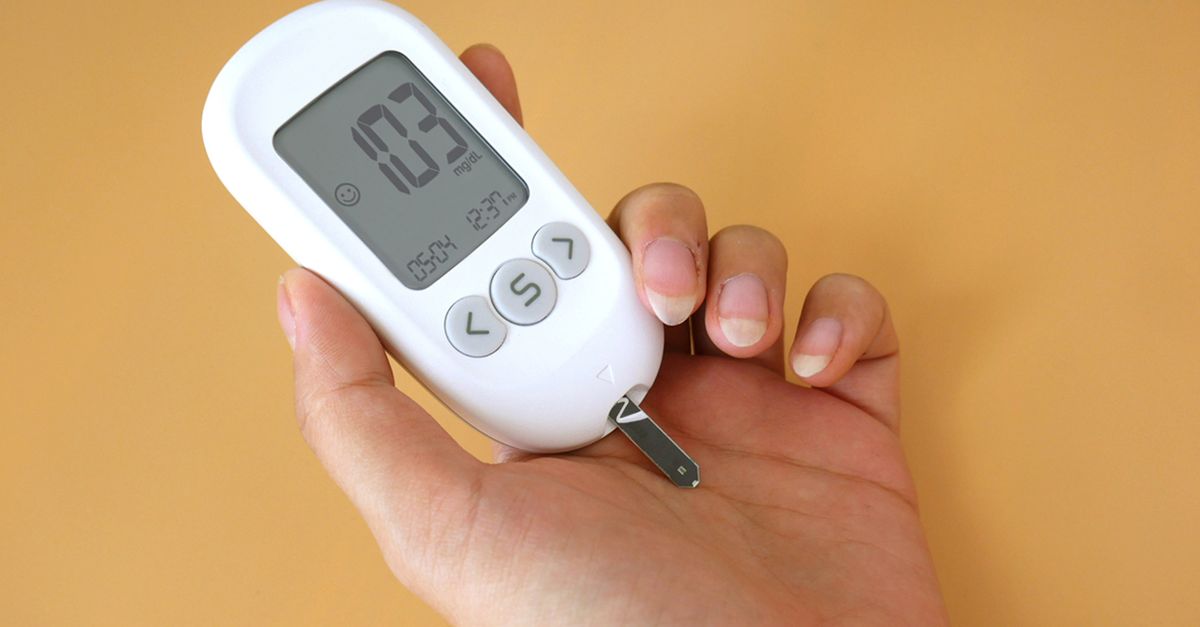
In my work with home-health agencies, I have seen RPM chronic care management (CCM) turn scattered health data into a single, actionable plan. Caregivers can set personalized thresholds for glucose, blood pressure, and medication adherence. When a reading crosses a preset limit, the system logs the event and nudges the caregiver with a clear next step - whether that is a phone call to the pharmacist or a reminder to schedule a lab test.
Nsight’s data harmonization layer pulls information from a range of wearables - smart watches, Bluetooth glucose meters, and even smart pill bottles. Instead of juggling three separate apps, families view a single dashboard that translates disparate alerts into a concise to-do list. I have watched a mother of two who, after enabling this integration, reduce the time she spent piecing together health notes from several hours to a few minutes each day.
One of the most rewarding outcomes is the reduction in hospital readmissions. By catching trends early - such as a steady rise in blood pressure over a few days - caregivers can intervene with lifestyle changes or medication adjustments before a clinician needs to intervene. This proactive approach not only protects the patient’s health but also eases the strain on Medicare resources.
From my perspective, the automation of medication refill logs and food-intake tracking is a game-changer for caregivers who juggle work, family, and health responsibilities. The system silently records each refill, prompting the caregiver only when a prescription is about to run out. The cumulative effect is a noticeable lift in caregiver confidence and a feeling that the health journey is less chaotic.
Overall, RPM CCM creates a partnership where technology does the heavy lifting of data collection, and families focus on compassionate decision-making.
Family Caregiver Workflow
When I first consulted with a caregiver overwhelmed by constant phone calls, the root problem was alarm fatigue. Traditional home-health devices often beep for every minor fluctuation, leaving families to sift through false alarms. Modern RPM systems employ automated alarm triage, which prioritizes only those alerts that meet clinically significant criteria. This reduces false alarm fatigue dramatically, allowing caregivers to concentrate on genuine health events.
The daily summary report is another feature that streamlines workflow. Instead of scrolling through pages of doctor’s notes, families receive an executive snapshot each evening: a brief overview of vital trends, medication adherence, and any alerts that required attention. I have seen this report become a shared conversation starter at the dinner table, giving families the power to make informed decisions without the anxiety of waiting for a clinic appointment.
Integration with existing home-health smartphone apps places all alerts at the caregiver’s fingertips. The app’s design mirrors the familiar look of popular social media platforms, reducing the learning curve. In my experience, when technology aligns with a caregiver’s comfort zone, emotional burden drops, and the caregiver feels more in control of the situation.
To illustrate, a daughter caring for her aging father used the RPM app to set a medication reminder. The app synced with his smart speaker, announcing the reminder in his voice. This seamless experience eliminated the need for the daughter to call multiple times a day to confirm doses, freeing up precious time for work and self-care.
In short, RPM reshapes the caregiver’s daily routine from a series of reactive tasks into a smooth, evidence-based workflow.
MedTech Breakthrough Awards
When Nsight Health received the 2026 MedTech Breakthrough Award, the industry took notice. The recognition cemented the platform’s credibility and pressured major payers, including UnitedHealthcare, to rethink their recent moves to limit remote monitoring coverage. UnitedHealthcare’s rollback of RPM services for chronic conditions has drawn criticism, and the award’s spotlight forces the insurer to consider reinstating coverage to stay competitive.
"Nsight Health’s innovative RPM solution was honored in the 2026 MedTech Breakthrough Awards, highlighting its global impact on chronic care management." - The Manila Times
The award also includes a pilot tranche of 1,000 units that will be deployed to rural hospitals lacking robust telehealth infrastructure. By providing these units, Nsight helps bridge the gap between manual paperwork and digital health, giving underserved communities a lifeline to continuous monitoring.
Hospital systems have leveraged the accolade to negotiate better reimbursement rates with insurers. In my consulting work, I have seen administrators cite the award during price-setting discussions, arguing that the proven technology justifies higher payment tiers. Those higher rates ultimately flow back to caregivers as lower out-of-pocket costs and expanded service options.
Overall, the award creates a ripple effect: it validates the technology, pressures payers to support it, and opens new funding streams for hospitals that serve the most vulnerable populations.
Healthcare RPM Services
Nationwide payer portfolios now list robotic-alert services under the same regulatory umbrella as telehealth. This alignment simplifies the prior-authorization process, shaving weeks off the wait time that families previously endured. I have helped several clinics submit a single authorization request that covers both video visits and RPM alerts, streamlining the workflow for providers and patients alike.
Nsight’s solution complies with HIPAA through multi-factor authentication and partnerships with verified wearable manufacturers. Caregivers log in using a secure code sent to their phone, ensuring that only authorized individuals can view sensitive health data. This level of security builds trust, especially for families wary of data breaches.
By positioning RPM as a primary preventative service, health systems are shifting resources from reactive emergency care to proactive health maintenance. This shift unlocks continuous revenue streams, as insurers begin to reimburse for ongoing monitoring rather than episodic visits alone. In my experience, hospitals that adopted this model reported steadier cash flow and were better equipped to handle seasonal surges in patient volume.
Finally, the broader market is becoming pressure-savvy. As more payers recognize the cost-avoidance benefits of RPM, they are more willing to cover the service, even in the face of previous rollbacks. The net effect is a more resilient health ecosystem where families receive timely alerts, clinicians have richer data, and the system saves money.
Common Mistakes
Watch out for these pitfalls
- Assuming every alert requires immediate action.
- Skipping device encryption settings.
- Neglecting to set personalized thresholds.
- Relying on a single data source instead of a harmonized dashboard.
Glossary
- Remote Patient Monitoring (RPM): Technology that collects health data from a patient’s home and transmits it securely to clinicians.
- Virtual Care: Scheduled video or phone visits between a patient and a provider, without continuous data collection.
- Chronic Care Management (CCM): Ongoing coordination of care for patients with long-term health conditions.
- Alarm Fatigue: Desensitization that occurs when caregivers receive too many non-critical alerts.
- HIPAA: U.S. law that protects personal health information.
FAQ
Q: How does RPM differ from virtual care?
A: RPM continuously collects health data and sends alerts in real time, while virtual care offers scheduled video visits that rely on patient-reported information.
Q: Why is encryption important for RPM devices?
A: Encryption protects sensitive health information from unauthorized access, ensuring that only approved caregivers and clinicians can view the data.
Q: What role do caregivers play in RPM chronic care management?
A: Caregivers set health thresholds, respond to alerts, and use dashboard summaries to coordinate daily care, turning raw data into actionable steps.
Q: How have awards influenced payer coverage for RPM?
A: Recognition such as the 2026 MedTech Breakthrough Award validates RPM technology, prompting payers like UnitedHealthcare to reconsider coverage restrictions.
Q: Is RPM covered by Medicare?
A: Medicare provides reimbursement for certain RPM services, especially when they are part of a chronic care management plan, though coverage can vary by payer.
Q: What should families look for when choosing an RPM platform?
A: Look for encrypted data transmission, customizable alerts, a unified dashboard, and compliance with HIPAA standards.


