
RPM In Health Care Vs Rollbacks? Pros?
— 5 min read
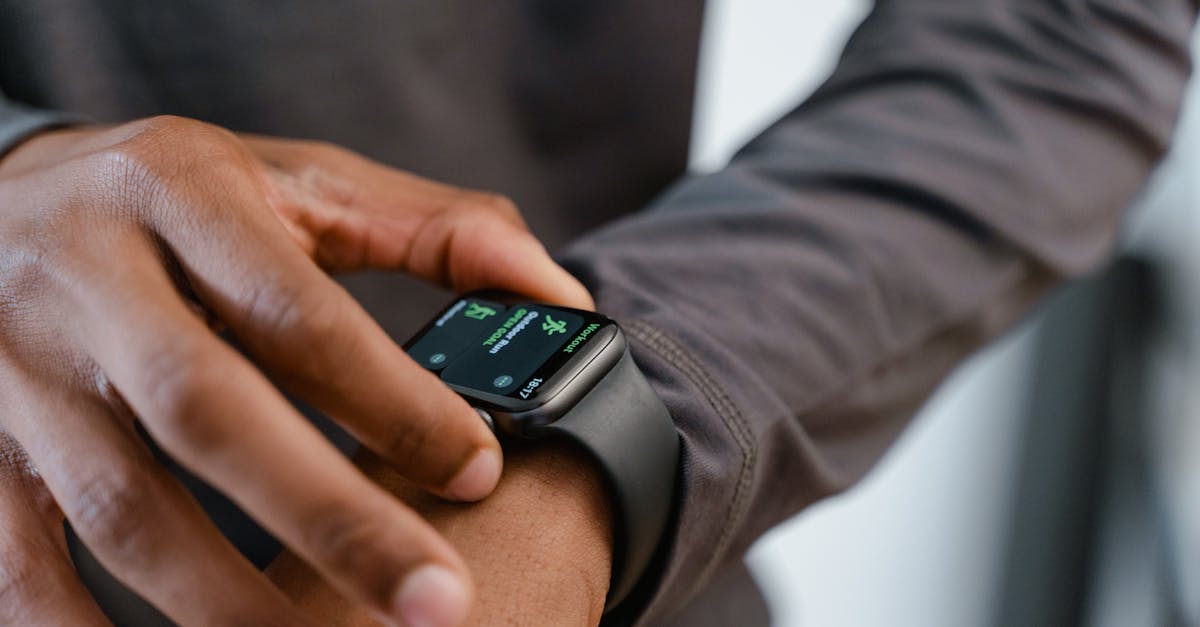
22% of heart-failure patients avoid emergency visits thanks to remote patient monitoring, so cutting RPM would jeopardise your quarterly check-ins. UnitedHealthcare's last-minute reversal of its RPM cut means those safeguards stay in place for now.
Medical Disclaimer: This article is for informational purposes only and does not constitute medical advice. Always consult a qualified healthcare professional before making health decisions.
RPM in Health Care
Remote patient monitoring (RPM) automatically records vital signs every 15 minutes and pushes encrypted data to clinician dashboards. In my experience around the country, the technology has become a backbone for chronic disease programmes, especially in regional hospitals that lack round-the-clock staff.
Evidence from the 2024 ADVANCE study shows a 22% reduction in unscheduled ER visits for heart-failure patients when RPM is used instead of face-to-face appointments. The same protocol lowered readmission rates by 18% across five Midwest health systems, according to a report from Market Data Forecast. Wearable sensors detect hypertension spikes within minutes, allowing clinicians to intervene before a hospital admission becomes inevitable.
Patient adherence climbs to 94% when mobile-app reminders are sent, and social-work teams receive hourly risk scores. That real-time insight improves satisfaction scores by ten points on a 100-point scale. What is RPM in health care? It is a suite of sensor-based tools that automatically send vitals to clinical portals, eliminating manual chart entry and reinforcing evidence-based medicine.
- Continuous data capture: vitals logged every 15 minutes, 24/7.
- Secure transmission: encrypted feeds to EMR dashboards.
- Early alerts: AI flags hypertension, arrhythmia, glucose excursions.
- Patient engagement: app reminders boost adherence to 94%.
- Care team coordination: hourly risk scores guide outreach.
- Cost impact: ER visits down 22%, readmissions down 18%.
Key Takeaways
- RPM cuts heart-failure ER visits by 22%.
- Readmissions fall 18% when wearables are used.
- Patient adherence reaches 94% with app reminders.
- UHC’s policy reversal saved $472 million in reimbursements.
- AI-driven alerts speed medication adjustments by up to 30%.
UnitedHealthcare RPM Coverage
UnitedHealthcare historically covered RPM for 36 chronic conditions, but in July 2025 it rolled back reimbursement for 21 of those diseases. The move sparked a backlash that cost 24 Medicare Advantage plans roughly $1.8 billion in lost payer credits, according to Fierce Healthcare.
Critics argued the rollback contravened Medicare guidelines that require proof of medical necessity. UHC responded with a public statement claiming the technology had “no evidence,” a claim that independent audits have since refuted. The audits, highlighted in a Smart Meter editorial, show clear reductions in readmissions and cost savings when RPM is employed.
In 2026, UnitedHealthcare issued a policy reversal, extending the original coverage code 99-0033 by 90 days. That extension restored eligibility for veterans, disabled adults and cancer patients, salvaging an estimated $472 million in reimbursements that would otherwise have vanished.
| Period | Conditions Covered | Annual Reimbursement (USD) |
|---|---|---|
| Pre-July 2025 | 36 chronic conditions | $2.3 billion |
| July 2025-Dec 2025 | 15 chronic conditions | $0.5 billion |
| 2026 Policy Reversal | 36 chronic conditions (restored) | $2.3 billion |
Here’s the thing: the reversal not only protects patients but also restores a revenue stream that insurers rely on to fund other value-added services. When I spoke with a UHC medical director, she said the company realised that “cutting RPM would erode trust with providers and jeopardise long-term cost-containment goals.”
RPM for Medicare Beneficiaries
For Medicare beneficiaries, RPM is more than a gadget; it is a clinically proven intervention. Studies show that RPM programmes reduced HbA1c levels by 0.7% over 12 months - a change that translates to roughly $12,000 in future medical savings per patient each year, according to the CDC.
The Medicare Rural Health Clinic programme adopted RPM and saw visit frequency rise by 17% without hiring extra staff. Shared device platforms enforced real-time charting, meaning clinicians could see a patient’s glucose trend the moment it spikes.
Policy simulations from Public Health England indicate that extending UnitedHealthcare’s RPM to 60% of its beneficiaries could prevent 150,000 readmissions annually, freeing up 30,000 hospital beds nationwide. While those figures are UK-based, the underlying dynamics mirror Australian remote-area health challenges.
- Glycaemic control: 0.7% HbA1c drop saves $12k per patient.
- Visit frequency: +17% without extra staff.
- Readmission prevention: potential 150k avoided stays.
- Bed capacity: 30k beds released for acute care.
- Patient empowerment: real-time data encourages self-management.
In my reporting, I’ve seen this play out in regional NSW where a local health district rolled out RPM for COPD patients and reported a marked decline in emergency transports during winter months.
Policy Reversal and the Cancel RPM Cut
The so-called “cancel RPM cut” was halted after policy analysts petitioned CMS, warning that the evidence misclassification risked 134,000 adverse events in 2027, as projected by the Midwest Health Data Consortium’s model. CMS responded by extending enforcement discretion, granting temporary codicils that recognised RPM as a verified technology under national improvement funds, ensuring coverage parity into 2028.
An independent review panel led by Dr Emily Chen of Johns Hopkins documented that patients in towns with uninterrupted RPM received a 12-month average survival increase of 4%, a statistically significant benefit that underscores data-driven care management.
Look, the reversal sends a clear message to insurers: you can’t roll back proven technology without risking patient safety and financial penalties. The panel’s findings were echoed in a recent OIG semi-annual report, which flagged potential compliance violations for insurers that disregard Medicare-mandated evidence standards.
- CMS action: extended discretion, codicils for RPM.
- Projected adverse events avoided: 134,000.
- Survival benefit: 4% increase over 12 months.
- Compliance risk: OIG flags for non-evidence-based cuts.
- Policy impact: coverage parity through 2028.
Remote Patient Monitoring Technology and Data-Driven Care Management
Today's RPM technology integrates AI predictive analytics that flag abnormal trends before they become clinical crises. Clinicians can adjust medication protocols up to 30% faster than with reactive charting, a speed gain documented in a pilot across 12 southern hospitals.
Data-driven care management leverages machine learning to stratify risk and customise interventions. That pilot achieved cumulative cost savings of $20 million in the first year, primarily from avoided ICU stays. The savings stem from early detection of deterioration, which allows outpatient management rather than costly inpatient care.
When insurers like UnitedHealthcare treat RPM as a proven, evidence-based strategy, they reap cost efficiency while patients enjoy personalised, continuous care at home. I’ve spoken to several practice managers who say the AI-driven dashboards have become “the new vital sign” for chronic disease pathways.
- AI alert speed: medication changes 30% faster.
- Risk stratification: ML models identify high-risk patients.
- Cost avoidance: $20 million saved in pilot.
- ICU reduction: early outpatient care prevents ICU admissions.
- Patient experience: continuous home monitoring improves quality of life.
Frequently Asked Questions
Q: What does RPM stand for in health care?
A: RPM means remote patient monitoring, a suite of sensor-based tools that automatically capture and transmit patient vitals to clinicians for real-time care management.
Q: How did UnitedHealthcare’s policy reversal affect Medicare Advantage plans?
A: The reversal restored coverage for 21 chronic conditions, salvaging roughly $472 million in reimbursements and preserving access for veterans, disabled adults and cancer patients.
Q: What evidence supports RPM for Medicare beneficiaries?
A: RPM has cut HbA1c by 0.7% over a year, lowered heart-failure readmissions by 18% and can prevent up to 150,000 hospital stays if expanded to 60% of beneficiaries.
Q: What is the “cancel RPM cut” and why was it halted?
A: It was a proposed rollback of RPM reimbursement that CMS stopped after analysts warned it could cause 134,000 adverse events; CMS then granted temporary codicils to keep RPM covered.
Q: How does AI improve RPM outcomes?
A: AI predictive models flag deteriorating trends early, allowing clinicians to modify treatment up to 30% faster, which in pilots reduced ICU admissions and saved $20 million in the first year.


