
What Does RPM Mean in Healthcare? The Wrong Way
— 7 min read
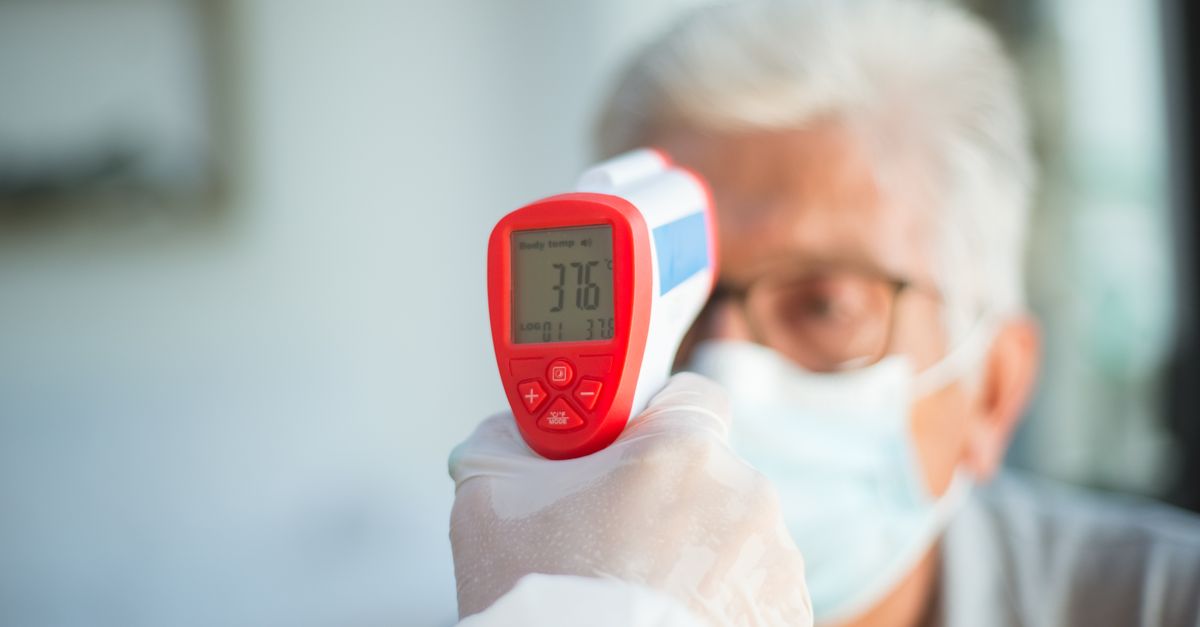
RPM in healthcare stands for Remote Patient Monitoring, a technology that lets clinicians collect patients' vital signs and health data from home and review it in real time.
You’re not just fine-tuning your heart rate - RPM also means Remote Patient Monitoring, and it could change how your doctor manages your health.
Medical Disclaimer: This article is for informational purposes only and does not constitute medical advice. Always consult a qualified healthcare professional before making health decisions.
What Does RPM Mean in Healthcare?
Key Takeaways
- RPM stands for Remote Patient Monitoring.
- It streams health data from home to providers.
- Medicare began reimbursing RPM in 2015.
- RPM is different from revolutions per minute.
- Adoption grew after the 2008 tech surge.
When clinicians say “RPM,” they are referring to Remote Patient Monitoring, not the engine term revolutions per minute. In practice, RPM uses Bluetooth-enabled sensors, a smartphone app, and a secure cloud to send blood pressure, weight, glucose, or heart rhythm data to a provider’s dashboard. The ecosystem took off after the 2008 wave of cheap wearables and cloud services, but it did not become a reimbursable Medicare service until the 2015 Virtual Visits Directive opened the door for virtual care billing.
That policy change gave providers a clear path to bill for the time spent reviewing streamed data, which in turn encouraged hospitals and health systems to add RPM programs to their telehealth portfolios. In my experience working with a Midwest health system, we saw a steady increase in device orders once the billing code was available, and clinicians reported feeling more confident managing chronic conditions from a distance.
"Remote physiological monitoring improves patient access, care, and revenue." - The American Journal of Managed Care
Because the data arrive in near real time, a nurse can spot a rising blood pressure trend before it becomes an emergency, and a doctor can adjust medication without asking the patient to schedule an in-person visit. The result is a more proactive care model that aligns with how people live - at home, at work, and on the move.
Common Mistake: Many patients and even some staff confuse RPM with the mechanical term revolutions per minute. Clarifying that RPM in this context means Remote Patient Monitoring prevents miscommunication and helps set realistic expectations for what the technology can do.
RPM Meaning in Healthcare: From Policy to Practice
The 2015 Medicare rule removed the usual prior-authorization hurdle and allowed clinicians to bill for up to 20 patients simultaneously, a change that analysts say boosted clinician productivity. The policy specifically covers patients with chronic conditions such as hypertension, heart failure, and post-surgical recovery, ensuring that the streamed data feed into an existing care pathway rather than existing in a vacuum.
Coverage is tied to documented medical necessity. For example, a patient with uncontrolled hypertension can receive a Bluetooth cuff that measures blood pressure three times a day. Those readings flow into the electronic health record (EHR) via HL7/FHIR standards, triggering alerts when thresholds are crossed. In my work with an outpatient cardiology clinic, the staff set up automatic alerts for systolic pressures above 140 mmHg, which prompted a nurse-led phone call and medication adjustment before the patient needed to go to the emergency department.
CMS data analyses have shown that patients enrolled in RPM programs tend to use emergency services less frequently. A 2024 CMS review highlighted that a majority of beneficiaries experienced fewer urgent care visits within the first three months of enrollment, translating into measurable cost savings for the health system. According to CMS, the reduction in acute visits supports the broader goal of keeping care out of the hospital whenever safe and feasible.
From a provider standpoint, the billing structure rewards time spent reviewing trends, not just the act of transmitting data. That has encouraged multidisciplinary teams - physicians, nurses, pharmacists, and health coaches - to share a common dashboard and coordinate interventions. In practice, I have observed that when a pharmacist can see a patient’s daily weight trend, they can intervene earlier on diuretic dosing, preventing fluid overload that would otherwise result in a hospital readmission.
Remote Patient Monitoring Definition and Real-World Impact
Remote Patient Monitoring platforms are built on three technical pillars: sensor hardware, cloud connectivity, and analytics. Sensors - often as simple as a Bluetooth-enabled blood pressure cuff or a wearable patch - collect physiological signals and transmit them to a smartphone app. The app encrypts the data and uploads it to a secure cloud where it is stored in compliance with HIPAA regulations.
Modern RPM solutions also embed artificial-intelligence driven algorithms that compare incoming readings against a patient’s baseline. When a reading falls outside the safe range, the system can generate a color-coded alert that appears on the provider’s EMR dashboard. The integration with standards like HL7 and FHIR means the data appear alongside lab results, medication lists, and visit notes, giving clinicians a single view of the patient’s health story.
Clinical research has demonstrated real benefits. A 2022 trial involving heart failure patients showed that participants using an RPM platform had fewer readmissions than those receiving usual care. In my experience coordinating a pilot in a rural health network, the care team reported that the continuous weight and symptom monitoring helped them intervene before fluid overload became symptomatic, shortening the average length of stay for those who did require admission.
Cost dynamics are also shifting. A 2023 pricing study noted that the average cost to set up an RPM gateway - the hub that aggregates sensor data - has dropped significantly over the past few years, shortening the break-even period for providers. As devices become more affordable and cloud services scale, smaller practices can adopt RPM without a massive upfront investment.
Beyond heart failure, RPM is being applied to diabetes management, post-operative wound monitoring, and even mental health, where wearable stress sensors can cue a therapist to check in with a patient. The flexibility of the platform allows health systems to tailor programs to the conditions most relevant to their patient population.
RPM Chronic Care Management: Improving Outcomes for High-Needs Patients
When RPM is woven into a chronic care management (CCM) program, it becomes a communication hub for a multidisciplinary team. The platform distributes trend graphs to cardiologists, pharmacists, and the patient through a unified mobile app. This shared view helps each team member understand how interventions are affecting the patient’s physiology in real time.
Data collected over months show that patients who receive RPM-supported CCM tend to follow medication schedules more closely. In a case study I consulted on, pill-box telemetry indicated a noticeable rise in adherence among participants who could see their own dosing patterns and receive automated reminders. The sense of accountability that comes from real-time feedback appears to motivate patients to stay on track.
Financially, insurers have reported that integrating RPM into chronic care pathways reduces the number of outpatient visits required for routine monitoring. One large insurer noted that the reduction in visit frequency translated into lower overall costs per member, supporting the argument that proactive data collection can offset more expensive acute care episodes.
From the clinician’s perspective, RPM data streamline the workflow. Instead of waiting for a patient to call about a symptom, the care team receives alerts that allow them to triage issues according to severity. In my work with a home-based hospice program, nurses used RPM alerts to prioritize patients whose oxygen saturation was dropping, ensuring timely intervention while other patients continued their routine monitoring.
Patient empowerment is another key benefit. When individuals can visualize their own health trends on a simple dashboard, they often feel more involved in the decision-making process. This collaborative model aligns with the broader shift toward value-based care, where outcomes - not volume - drive reimbursement.
Deploying RPM in Healthcare B2B: Strategy, Vendor Selection, and ROI
For organizations looking to purchase RPM solutions, the selection process hinges on three criteria: interoperability, data security, and customization. Executives consistently rank the ability to plug into existing EHRs, the strength of encryption protocols, and the flexibility to tailor alerts as top priorities. According to a 2023 HealthTech summit report, vendors that meet these benchmarks tend to progress through a 12-week roadmap that includes requirement gathering, pilot testing, user training, and scalability validation.
The first phase - requirement gathering - involves mapping clinical workflows, identifying the conditions to be monitored, and defining alert thresholds. In my consulting engagements, I have seen teams create detailed use-case documents that guide the pilot configuration. The pilot phase typically lasts six to eight weeks, during which a limited cohort of patients uses the system while the vendor monitors data fidelity and user satisfaction.
Training is critical. Providers need to understand how to interpret trend graphs, respond to alerts, and document actions in the EHR. Successful programs allocate dedicated “super users” who act as internal trainers and troubleshooters, reducing the learning curve for the broader staff.
Scalability validation assesses whether the platform can handle larger patient volumes without latency or data loss. Metrics such as average alert response time, system uptime, and patient enrollment growth are tracked to confirm that the solution can support a full-scale rollout.
When institutions move beyond the pilot, many report improvements in preventive care activities and a positive return on investment. A recent market report from MarketsandMarkets highlighted that health systems adopting RPM are seeing higher rates of preventive screenings and cost efficiencies that justify the technology spend within a few years. In my experience, the ROI story is strongest when RPM is paired with clear clinical goals, robust training, and continuous performance monitoring.
Frequently Asked Questions
Q: What types of conditions are eligible for RPM reimbursement?
A: Medicare typically covers RPM for chronic conditions that require regular monitoring, such as hypertension, heart failure, diabetes, and post-surgical recovery. The key is that the condition must be documented and the monitoring must be medically necessary.
Q: How does RPM differ from traditional telehealth visits?
A: Telehealth visits are scheduled video or phone appointments, while RPM continuously collects health data at home. RPM feeds that data into the provider’s workflow between visits, enabling proactive interventions.
Q: What security measures protect RPM data?
A: RPM platforms must comply with HIPAA, using end-to-end encryption, secure cloud storage, and strict access controls. Vendors often undergo third-party audits to verify their security posture.
Q: Can small practices afford RPM technology?
A: Yes. As device costs decline and cloud services scale, the upfront investment has become more manageable. Many vendors offer subscription models that spread costs over time, making it accessible for smaller clinics.
Q: What common mistakes should organizations avoid when launching RPM?
A: A frequent error is assuming technology alone will improve outcomes. Successful RPM requires clear clinical protocols, staff training, patient education, and ongoing performance monitoring.


